
Grid & Renewable Circuit Design
High‑reliability circuits for grid and renewable energy systems
I help utilities, OEMs, and energy technology teams design, model, and validate circuits for grid-connected assets, advanced fuel cells, and battery systems— bridging academic research rigor with real‑world engineering constraints.
Typical clients: grid modernization teams, microgrid developers, fuel cell integrators, and battery system OEMs.
- Circuit design for grid-tied inverters, converters, and protection
- Fuel cell and battery stack interface, sensing, and control circuits
- Simulation, modeling, and analysis to de-risk hardware before fabrication
Availability
Collaborating with industry partners
Currently accepting a limited number of consulting, co‑development, and research collaboration engagements aligned with grid and renewable energy applications.
Based in: Electronics & Electrical Engineering research environment, collaborating globally with industry teams.
Response time: within 1–2 business days.
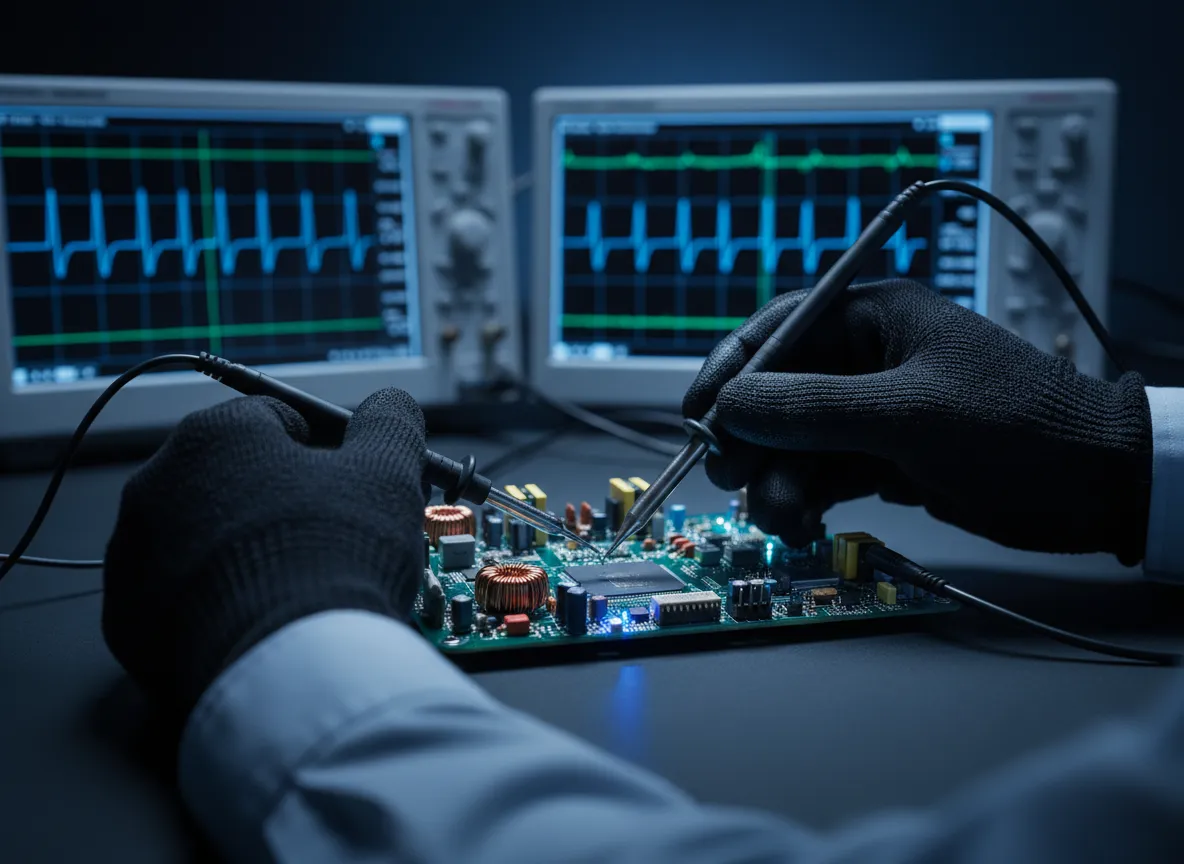
Bringing research-grade methods to industry-ready circuit design for the modern grid.





Capabilities
Circuit design across the grid and renewable energy stack
Work with a PhD‑level circuit designer who understands both the fundamental physics and the practical constraints of grid integration, safety, manufacturability, and lifetime performance.
Engagements typically focus on de‑risking new architectures, extending existing designs, or exploring advanced topologies for next‑generation systems.
Grid applications
- Converter and inverter interface circuits
- Measurement and protection circuitry
- EMI/EMC‑aware layouts and filtering
- Control and sensing for distributed assets
Fuel cells
- Stack monitoring and diagnostics circuits
- Power conditioning and interface design
- Sensor integration and signal conditioning
- Fault detection and safety logic
Battery systems
- BMS interface and measurement circuits
- Balancing, protection, and isolation design
- Thermal and degradation‑aware sensing topologies
- System‑level integration for hybrid and microgrid setups
Why this matters
Circuits that respect real‑world grid conditions
Grid and storage systems must operate under fluctuating loads, transients, and harsh environments. Poorly considered circuits become bottlenecks for reliability, certification, and long‑term performance.
My work focuses on anticipating these edge cases at the design stage—using simulation, modeling, and test‑driven thinking so that hardware performs as expected once deployed.
Typical engagement structure
- 1. Technical scoping – clarify operating conditions, constraints, and compliance requirements.
- 2. Concept and architecture – propose circuit topologies and interface strategies.
- 3. Modeling and simulation – stress‑test performance across realistic scenarios.
- 4. Detailed design – component selection and circuit refinement for manufacturability.
- 5. Review and handoff – documentation to support your internal teams and suppliers.
If helpful, I can also coordinate with your internal hardware, systems, and compliance teams to make sure design decisions fit your broader roadmap.

About Arvin D. Escultero
PhD‑level rigor applied to practical circuit design
As a PhD candidate in the Electronics and Electrical industry, my research and project work sit at the intersection of power electronics, grid integration, and renewable energy systems. This gives me a detailed understanding of how circuits behave under realistic operating conditions— not just in idealized models.
My collaborators value clear documentation, disciplined analysis, and the ability to communicate complex behavior in straightforward engineering terms. Whether you are iterating on an existing platform or exploring a new concept, I aim to be a technically rigorous and reliable partner.
- Background rooted in electronics and electrical engineering
- Focused on grid, fuel cell, and battery system applications
- Comfortable collaborating with cross‑functional industry teams
Next step
Request a short technical discussion
Share a brief overview of your grid, fuel cell, or battery system challenge. I will review the technical context and respond with potential next steps or follow‑up questions.
- Non‑disclosure friendly – high‑level discussion at first contact
- Clear indication if your scope is a fit for my expertise
- If helpful, I can coordinate with your wider engineering team
Share your project details
Please include information such as application (grid, fuel cell, battery), target power levels, and current development stage.
I review each inquiry carefully. If the fit is not ideal, I will do my best to suggest an alternative direction or profile.
FAQ
Common questions from technical teams
If your question is not addressed here, feel free to include it in your initial message.
What level of project detail should I share initially?
At first contact, a high‑level description is sufficient: application area (grid, fuel cell, battery), approximate power range, deployment context (e.g., microgrid, utility‑scale, industrial), and your primary technical challenge. Sensitive information can be shared later under an NDA, if required.
Do you work with both early‑stage concepts and established platforms?
Yes. I support teams exploring new architectures as well as those refining or extending existing platforms. The approach is tailored: early‑stage work emphasizes architecture and simulation, while mature platforms often focus on performance improvements, robustness, or new operating conditions.
Can you collaborate with in‑house hardware and systems engineers?
Collaboration with internal teams is encouraged. I regularly coordinate with hardware, systems, and controls engineers to make sure circuit‑level decisions align with system‑level goals and constraints.
What is your typical engagement length?
Short technical reviews can be completed within days, while deeper design and modeling engagements may span several weeks or months depending on complexity and scope. Timelines are clarified during the initial scoping discussion.